Melbourne vs Satellite Beach Cost of Living Breakdown
Thinking about moving to the Space Coast and torn between Melbourne and Satellite Beach? They sit just a few miles apart, yet your monthly budget can look very different in each. You want beach access, everyday convenience, and a smart long‑term choice. This guide breaks down the core costs and tradeoffs so you can decide with confidence. Let’s dive in.
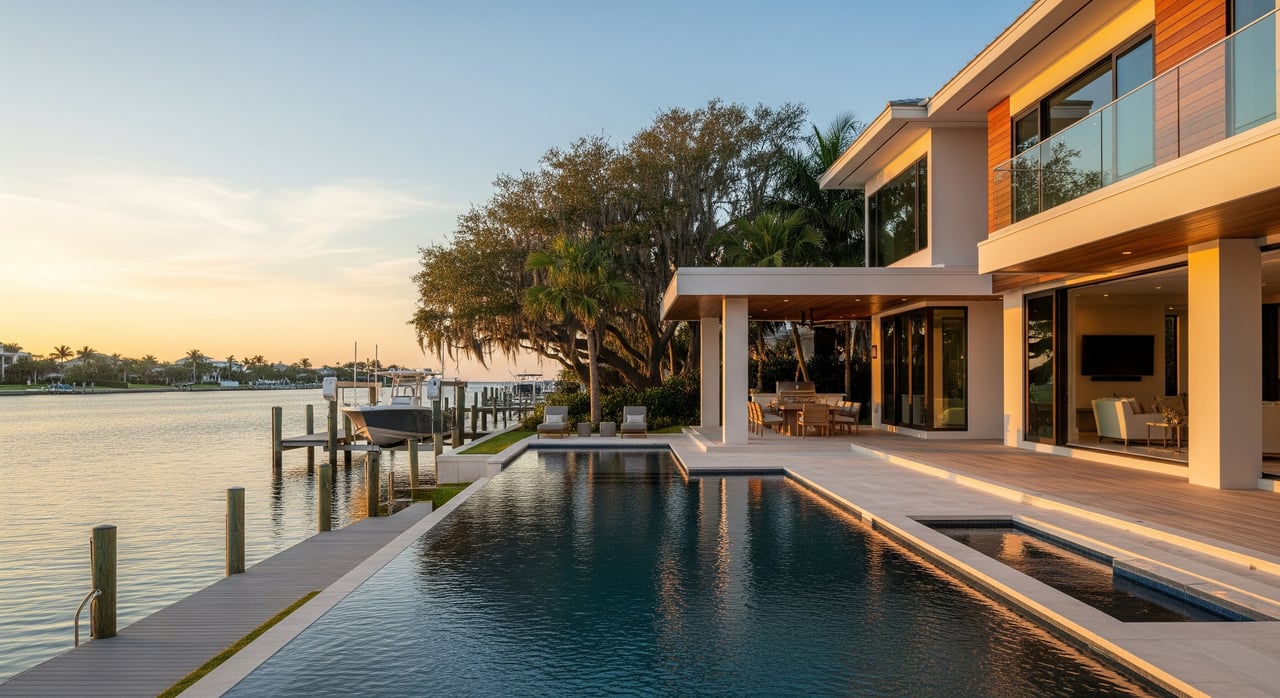
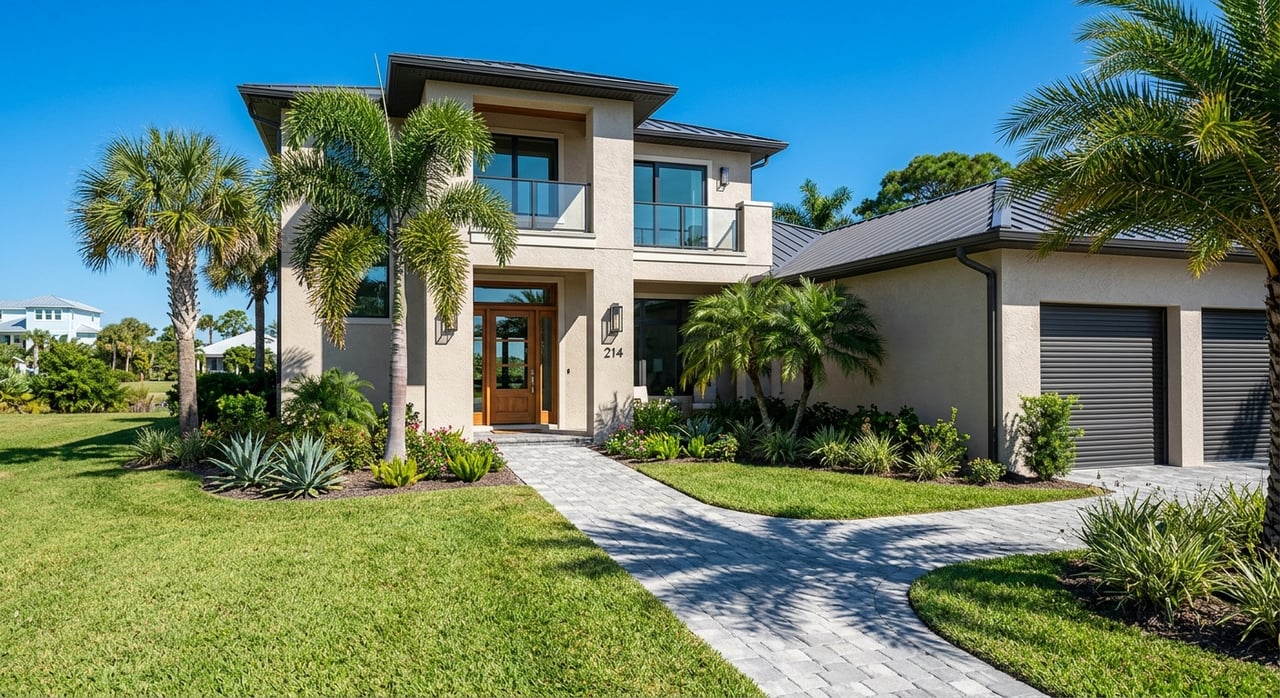
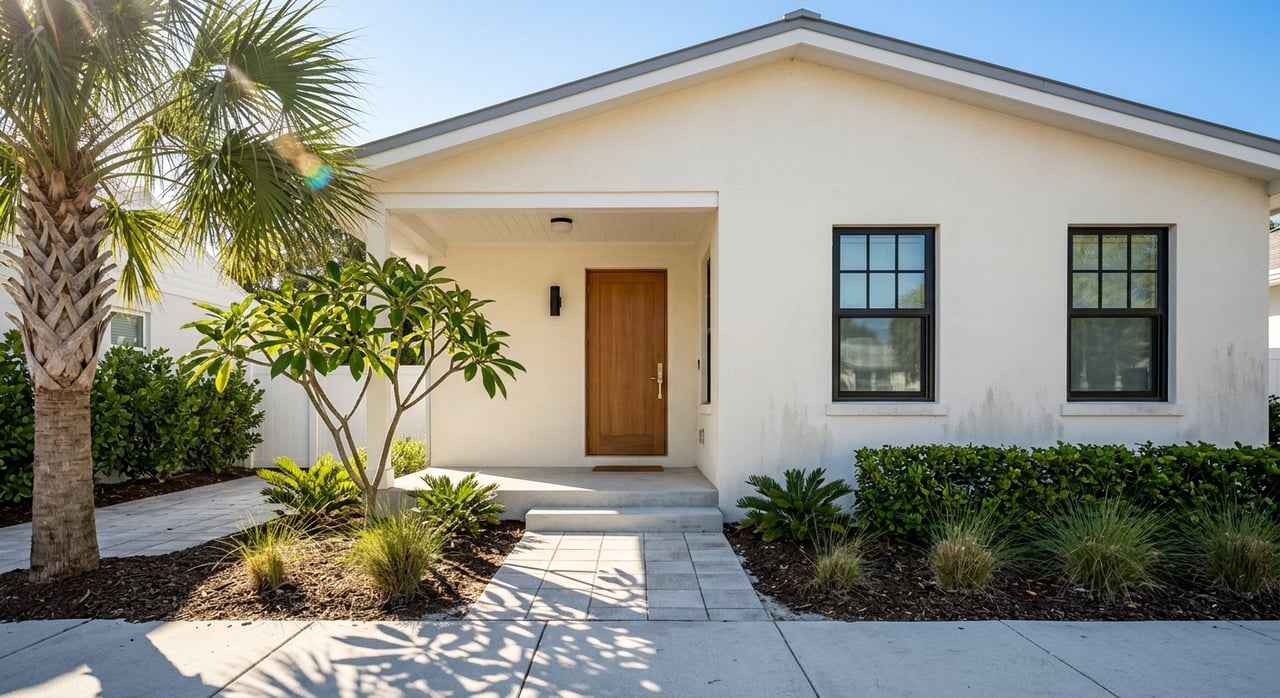
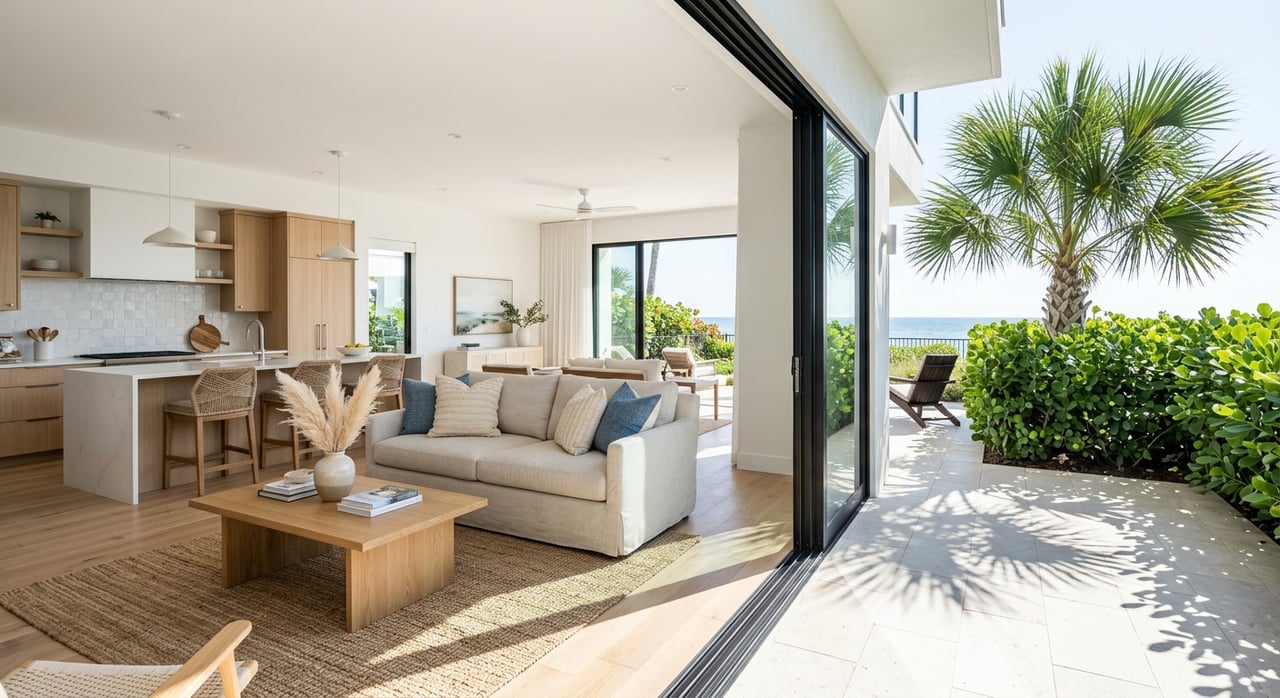
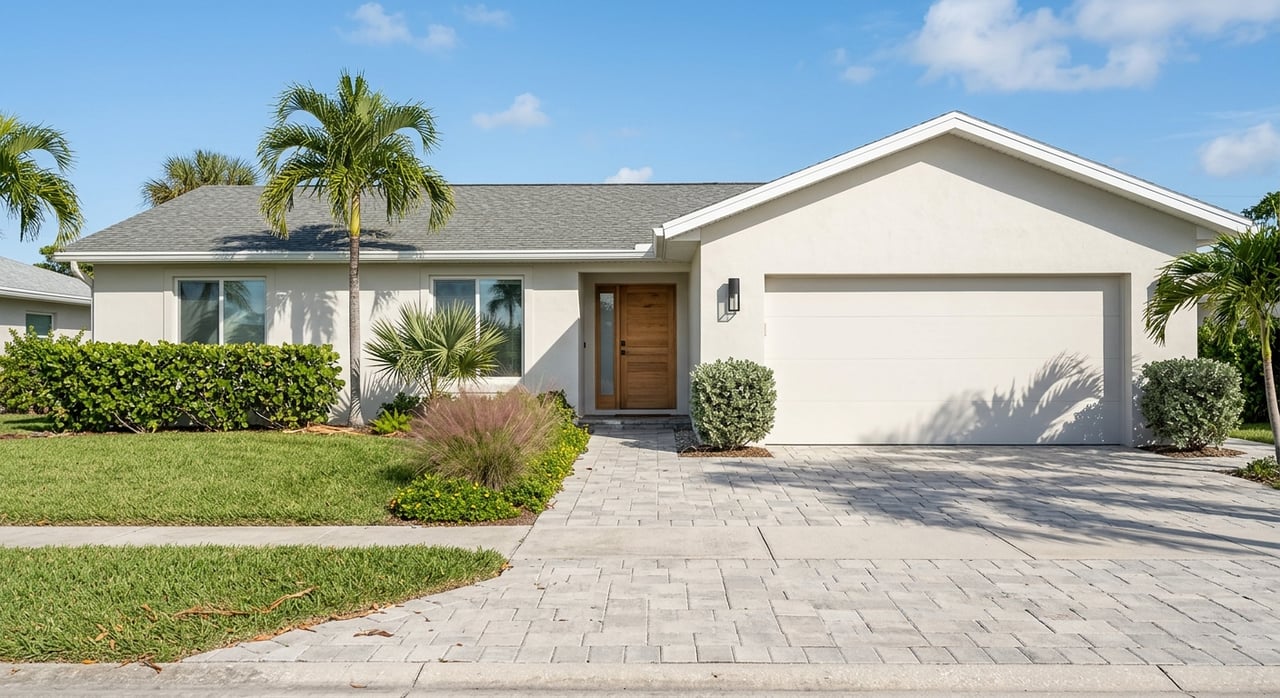
Housing is where the biggest cost differences show up. Melbourne sits on the mainland with a wide mix of single‑family homes, townhomes, and inland condos. Satellite Beach is a barrier‑island city with more beachfront and mid‑block condos, plus smaller‑lot single‑family homes.
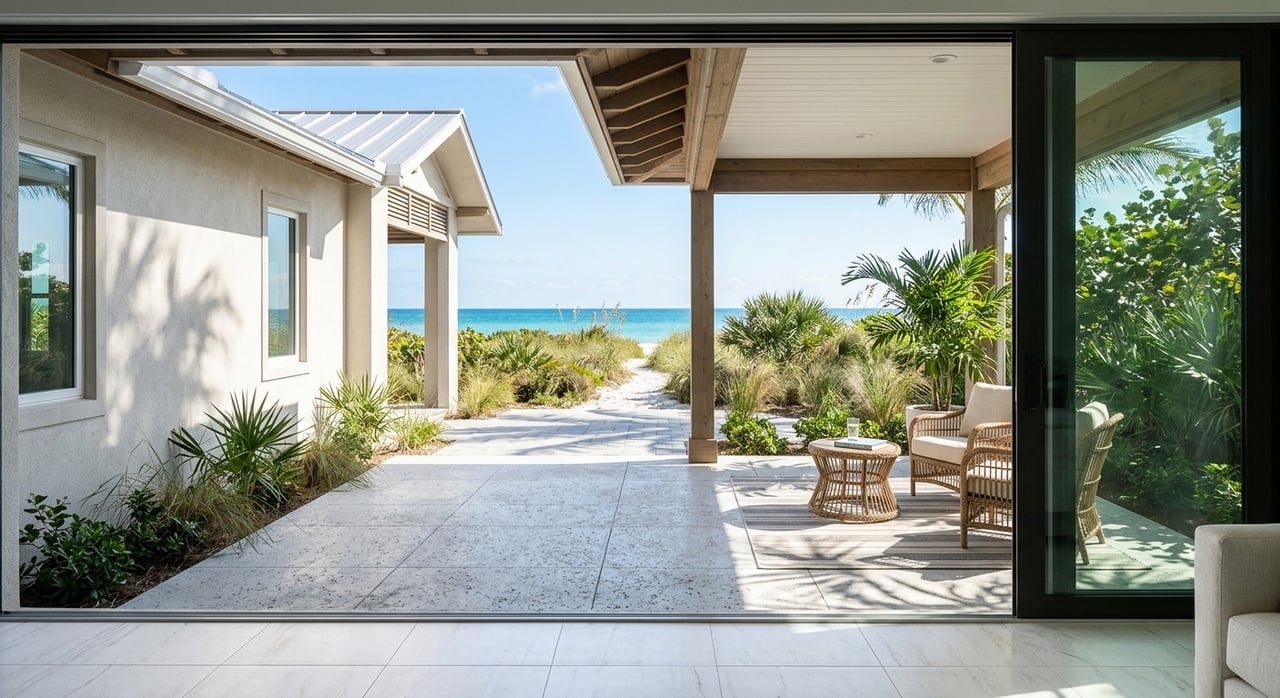
If you want more space and options, Melbourne usually gives you more to choose from. If your priority is living near the sand and surf, Satellite Beach shines, though you should plan for higher housing and recurring costs on the island.
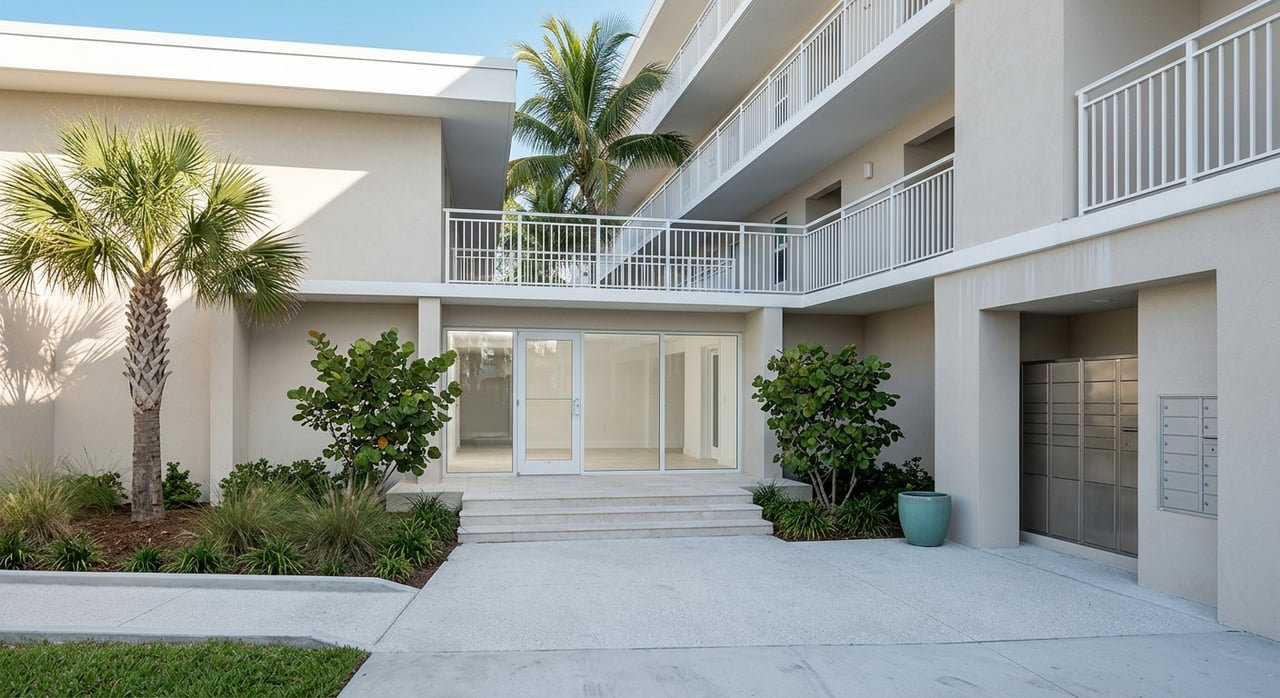
Condo and HOA dues can be a major monthly line item, especially near the beach.
Older beachfront buildings may levy large special assessments for structural work, seawalls, roofs, or hurricane retrofits. Always review HOA documents, reserve studies, meeting minutes, and any history of assessments before you buy.
Property taxes are set at the local level and vary by municipality and taxing districts. Florida’s homestead exemption can reduce the taxable value for your primary residence. Remember that coastal properties with higher market values will usually carry higher dollar tax bills, even if the millage rate is similar to inland areas. For exact numbers, check parcel details with the Brevard County Property Appraiser for any home you are considering.
Insurance is a key cost driver in coastal Florida.
Comparing a mainland Melbourne home with a Satellite Beach condo or house, you should expect higher insurance and flood costs on the island. Get quotes early in your search so you have real numbers rather than estimates.
Florida Power & Light serves most homes in the area. AC drives higher electricity bills in the summer months. Water and sewer are managed by local cities or the county, and some condos include water, sewer, and trash in the HOA. If you are evaluating a condo, ask what utilities are included.
Both Melbourne and Satellite Beach have cable and, in many areas, fiber options. Prices vary by speed and provider. For remote work or streaming needs, confirm availability and speeds at the exact address.
Salt air and humidity increase maintenance needs near the ocean. Expect more frequent paint and exterior care, HVAC servicing, corrosion‑resistant fixtures, and attentive landscaping. True oceanfront homes and older beachfront condos often require more frequent upkeep than inland homes.
Grocery pricing across Brevard County tends to align with Florida averages. In practice, Melbourne offers more chain supermarkets and discount options, which can help with choice and value. On the island, convenience stores and smaller markets may run slightly higher on some items.
Dining in Satellite Beach often leans toward beachgoer favorites and casual spots, with seasonal price pressure during peak months. Melbourne provides a broader range of options and price points, from casual to higher‑end. Entertainment costs are similar across the two, though Melbourne’s larger footprint brings more venues and variety.
Most residents drive. Satellite Beach requires crossing causeways to reach inland employers, which can add time and create choke points in peak hours or busy seasons. Melbourne’s road network offers more direct routes to major employers and services. Public transit is limited, so many households prefer multiple vehicles. Gas prices follow regional trends.
Daycare and preschool costs vary by provider. Melbourne’s larger population often means more choices and potential price competition. Both cities are part of the Brevard Public Schools system. For healthcare, Melbourne has more hospitals and outpatient services, which can mean shorter drives for appointments if you live inland. Costs for care are similar across the region, but access and convenience can differ.
Satellite Beach sits on a barrier island with extensive areas in FEMA flood zones. Elevation, base flood elevation, and building standards can influence insurance costs and renovation requirements. Lenders typically require flood insurance in higher‑risk zones. Melbourne’s inland homes are less likely to require flood policies, though you should always confirm the property’s flood status.
Oceanfront condos face salt, wind, and water exposure that can accelerate wear. Buildings without strong reserves may need special assessments for balconies, facades, roofs, or seawalls. Review reserve studies, meeting minutes, and recent engineering reports to gauge building health and future costs.
Florida’s insurance market changes with storm activity and underwriting shifts. Coastal properties sometimes face higher deductibles and limited options. Get multiple quotes and revisit them at key points in your contingency period.
Satellite Beach tends to have stronger vacation demand, which can be an income opportunity for some owners. However, short‑term rental rules vary by community and HOA. Higher guest turnover can increase wear, parking needs, and attention to compliance. Melbourne neighborhoods vary widely on rental permissions and timelines, so always verify local ordinances and HOA rules before counting on income to offset costs.
Both locations can be great fits. The right choice depends on how you balance beach proximity with long‑term affordability.
Bring clarity to your budget with a property‑by‑property checklist. For any address you are serious about, request or verify:
If you are deciding between mainland convenience and island living, the best move is to compare two or three specific homes or condos side by side. Look at monthly carrying costs, not just the purchase price. We can help you gather HOA documents, coordinate insurance quotes, and pull recent comps so your decision is grounded in facts. When you are ready to explore neighborhoods, schedule tours, or get a clear estimate of your total monthly costs, connect with Sandy Legere for local guidance tailored to your goals.
Stay up to date on the latest real estate trends.
My knowledge of the area can save you the time and frustration of looking at homes that do not meet your needs. My marketing experience in selling homes provides results.
Get In Touch With Me To Learn More

1550 Highway A1A Satellite Beach, FL 32937