Oceanfront vs Riverfront Living in Melbourne Beach Florida
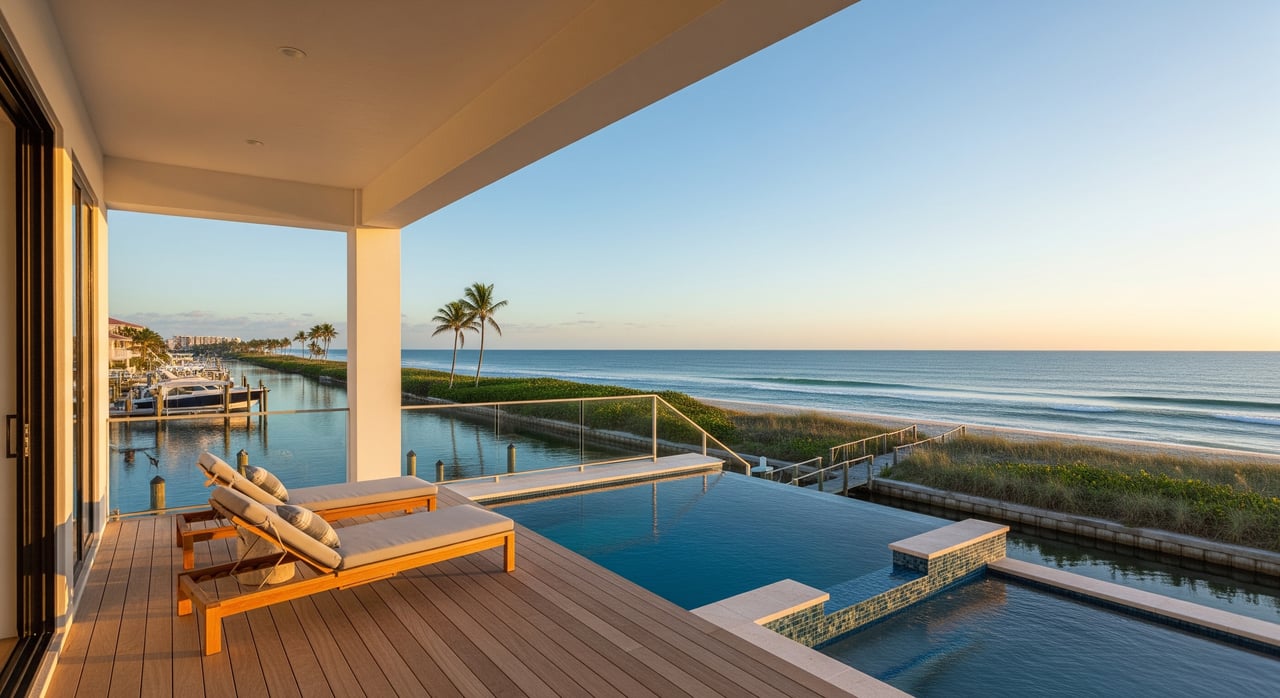
Sunrise over the Atlantic or sunset across the Indian River Lagoon? In Melbourne Beach, you can choose either without leaving the barrier island. If you are debating oceanfront versus riverfront living, you are weighing two distinct waterfront lifestyles with different costs, risks, and everyday rhythms. This guide breaks down what life actually feels like on each shoreline, along with ownership, insurance, boating, and permitting considerations so you can buy with confidence. Let’s dive in.
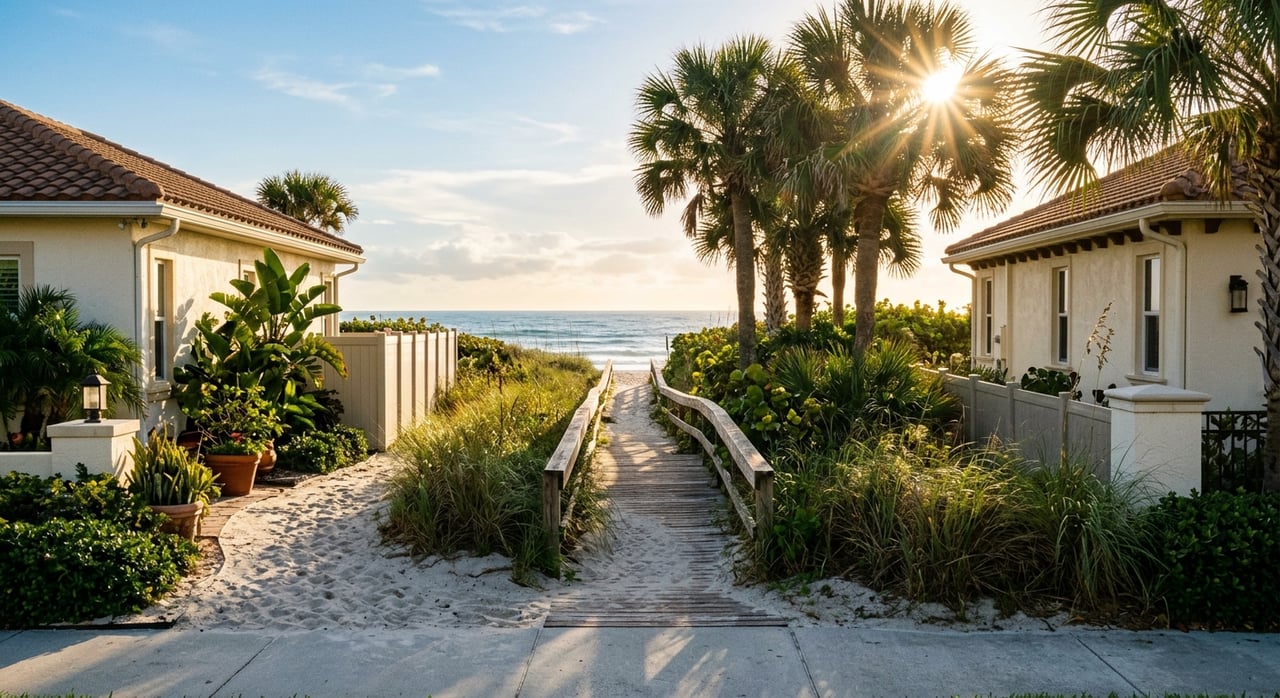
Oceanfront homes in Melbourne Beach look east to broad horizons and daily sunrise. You will experience surf sounds, steady coastal breezes, and a dynamic beach environment that changes with seasons and storms. Sand dunes, shorebirds, and beachgoers are part of the scenery.
Beach access is the big lifestyle win. Walking, surf fishing, and simply stepping onto the sand are everyday perks. Privacy can vary near public beach access points that bring more pedestrian activity, especially in high season. Most oceanfront properties do not include private boat docks.
Sea turtles nest seasonally on local beaches, and that brings lighting and activity rules during nesting season. You may also see periodic beach closures after storms or during municipal operations that protect dunes and habitat. These protections help preserve the shoreline you enjoy.
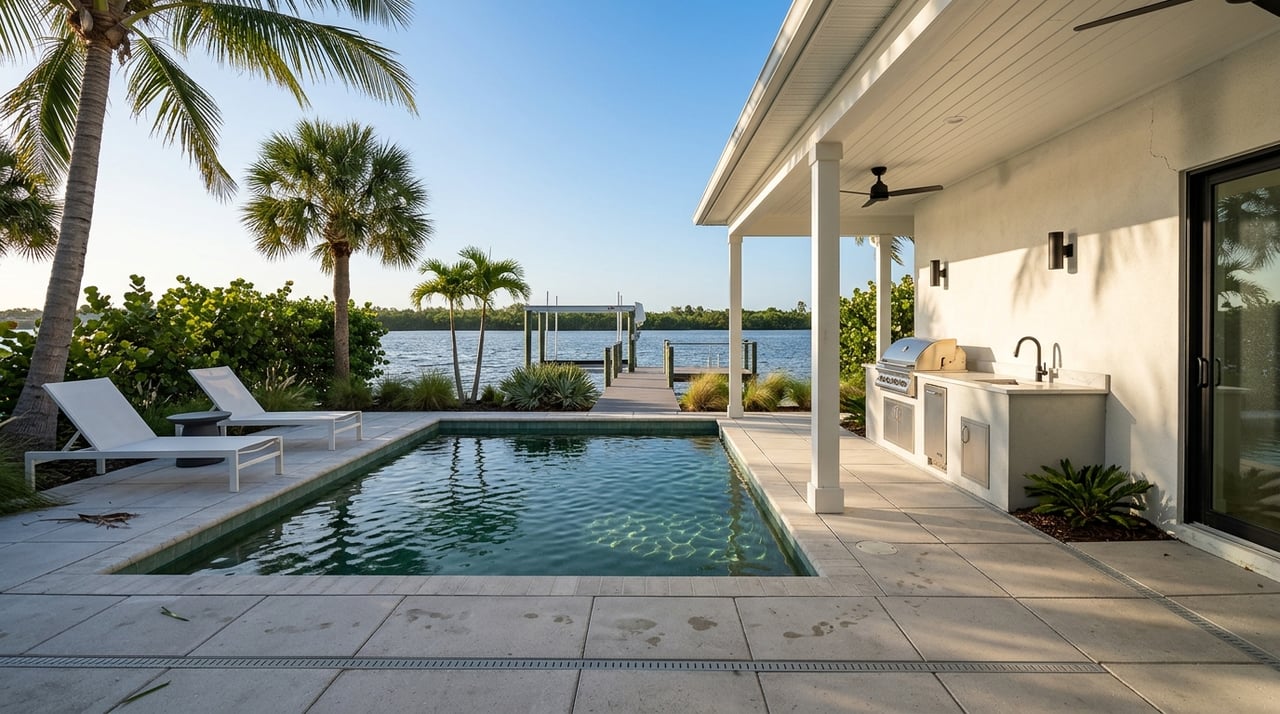
Riverfront homes face the Indian River Lagoon, a shallow, productive estuary on the island’s west side. Expect calmer water, mangrove-lined shorelines, and frequent wildlife sightings. Many homes enjoy west-facing sunset views.
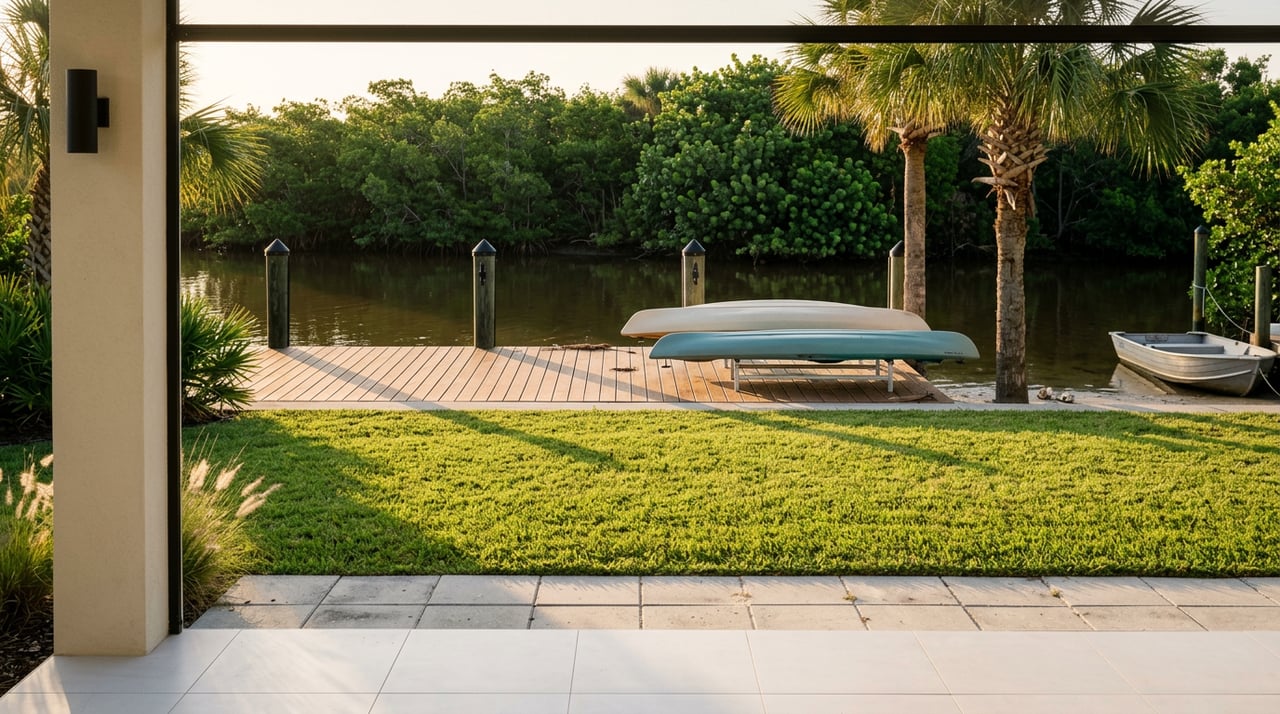
Private docks and boat lifts are common, which makes daily boating, fishing, kayaking, and paddleboarding simple. Sheltered waters are better for small craft and family outings. Weekend boat traffic can add wakes and noise near busy channels.
The lagoon has experienced water-quality stress in recent years, including seagrass loss and periodic algal blooms. Conditions can vary by location and season, and they may influence recreation and aesthetics at times. Mosquitoes can be present in vegetated marsh edges.
Both oceanfront and riverfront properties on a barrier island face flood risk during severe weather. Oceanfront homes are exposed to direct wave energy, dune erosion, and strong wind-driven surge. Riverfront homes can experience storm surge and inundation from the lagoon side, along with local flooding.
Flood zones are common on barrier islands, and lenders often require flood insurance when a property lies in a Special Flood Hazard Area. Understanding base flood elevation and obtaining an elevation certificate can help you gauge premiums and risk.
Sea-level rise and nuisance tidal flooding are long-term considerations on both shorelines. Oceanfront properties may require ongoing dune stabilization or benefit from periodic beach nourishment programs. Riverfront properties may see shoreline change, marsh encroachment, or erosion from wakes and currents.
Oceanfront homes encounter salt spray and airborne sand that can speed up corrosion and wear. Exterior paint, metal fixtures, railings, and HVAC components may need more frequent attention. Dune systems are protected, and there are limits on construction or alteration seaward of regulated lines. In some locations, engineered protections like seawalls or revetments face strict permitting and ecological tradeoffs.
Riverfront ownership often includes dock, boat lift, and seawall care. Wood pilings and hardware require regular inspection due to marine borers and corrosion. Living shoreline approaches that use vegetation and natural materials are increasingly encouraged where appropriate, but they also require state permits.
Insurance is a major budget line for any waterfront home in Florida. Oceanfront properties often carry higher wind and flood premiums due to direct exposure and higher replacement costs. Riverfront homes still face substantial wind and flood exposure. Final premiums depend on elevation, construction type, mitigation features, and market conditions, so obtain property-specific quotes early in your process.
If you prioritize boating, riverfront living usually provides the most convenient daily access. The Indian River Lagoon and Intracoastal Waterway allow long stretches of protected cruising, fishing, and paddle sports. Depths can be shallow in places, and channels may shoal, so local knowledge helps.
Oceanfront proximity does not guarantee boat access. Launching from the beach is limited and hazardous. Access to the Atlantic typically occurs through regional inlets that connect the lagoon to open water. Sebastian Inlet is a well-known option in the region for recreational anglers and boaters, but navigating inlets requires skill and attention to currents and shifting sandbars.
For boat type, smaller center consoles, bay boats, and paddlecraft suit lagoon conditions well. Larger, deep-draft vessels often rely on marinas and deeper channels with careful route planning to and from the inlet.
Both oceanfront and riverfront properties carry waterfront premiums compared to inland homes. Oceanfront homes tend to command higher price per square foot due to scarcity and strong lifestyle appeal. Riverfront pricing varies with dockage, water depth, and proximity to navigable channels and inlets.
Inventory patterns differ. There are fewer true oceanfront lots, which can drive pricing volatility. Riverfront offers more variety, including single-family homes with docks, canal homes, and some condominiums with slips.
On the investment side, oceanfront’s allure can be powerful, though exposure to storms and maintenance needs factor into valuations. Riverfront’s practical boating access is a draw. Short-term dips in desirability can occur in areas impacted by algal blooms or seagrass loss that affect recreation. Over the long term, buyers often value higher finished-floor elevations and resilient construction on both shorelines.
| Factor | Oceanfront | Riverfront (Indian River Lagoon) |
|---|---|---|
| Views & light | East-facing sunrises, wide horizons | West-facing sunsets, calm water vistas |
| Daily access | Direct beach access | Private docks and lifts are common |
| Boating | Requires nearby inlet access; limited from beach | Sheltered cruising, fishing, paddling in the lagoon |
| Maintenance | Higher corrosion from salt spray; dune rules limit changes | Dock, seawall, and hardware upkeep; living shoreline options |
| Flood & storms | Direct wave energy and dune erosion | Surge and inundation from lagoon side |
| Wildlife & nuisances | Shorebirds, sea turtles; seasonal lighting rules | Manatees, dolphins, wading birds; mosquitoes near marsh |
| Privacy & activity | More pedestrian activity near public beach access points | Quieter shoreside, boat traffic and wakes on busy days |
| Insurance tendency | Often higher wind and flood premiums | Substantial wind and flood costs; varies by elevation |
Understanding local, state, and federal requirements early will help you plan any future improvements and avoid violations.
If your perfect day starts with a sunrise walk and the sound of surf, oceanfront may be your match. If you want to keep a boat on your own lift for quick fishing trips, sunset cruises, and paddle sessions, riverfront usually wins. Your comfort with maintenance, flood risk, and permitting will also guide the choice.
There is no one-size-fits-all answer. The best decision blends how you will use the water, your tolerance for upkeep, and your long-term risk outlook. A local expert can help weigh these tradeoffs at the property level, from elevation and shoreline type to permit history and insurance impacts.
If you are exploring oceanfront and riverfront options on the Space Coast, you deserve a guide who knows these shorelines street by street. With boutique service backed by Coldwell Banker’s marketing reach, I can help you evaluate lifestyle fit, due diligence, and value so you move forward with clarity. Connect with Sandy Legere to start your search or Request Your Free Home Valuation.
Stay up to date on the latest real estate trends.

300,000 Sq. Ft. Engineering Facilty
My knowledge of the area can save you the time and frustration of looking at homes that do not meet your needs. My marketing experience in selling homes provides results.
Get In Touch With Me To Learn More
1550 Highway A1A Satellite Beach, FL 32937