How to Price Satellite Beach Beachside Homes Right
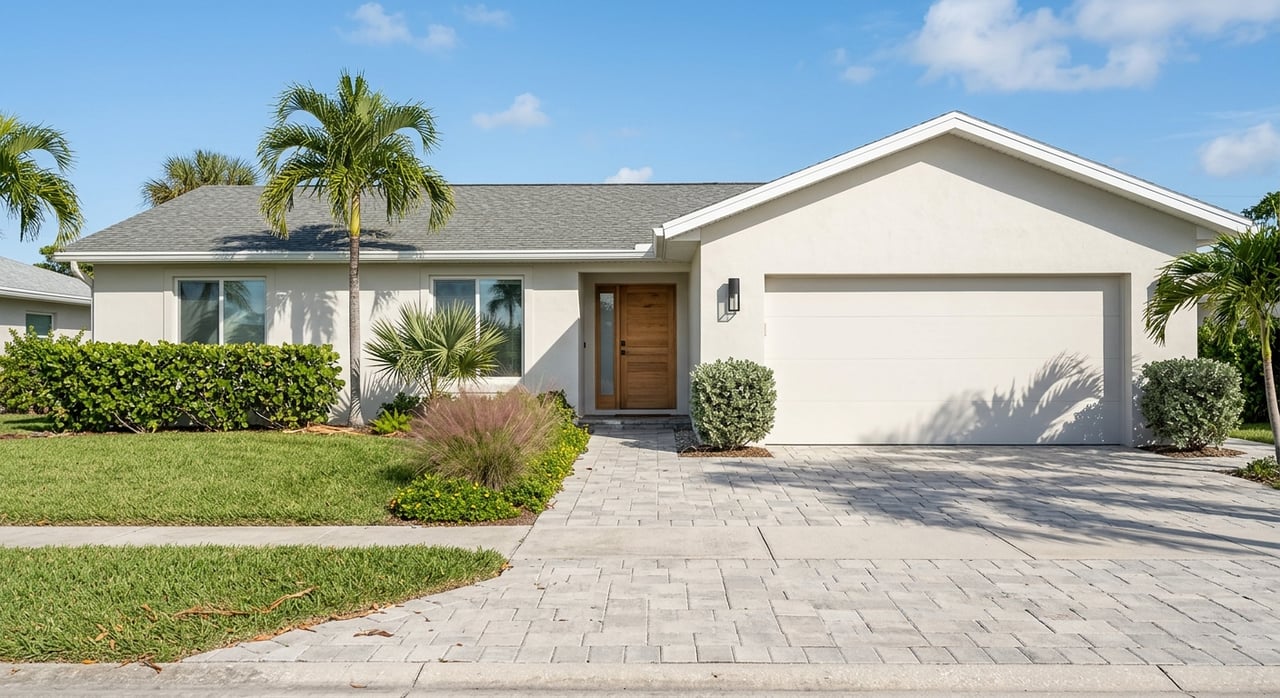
Wondering why two homes in Satellite Beach with similar square footage can land at very different price points? That question comes up all the time, and it makes sense. In a small barrier-island market, pricing is shaped by much more than bedrooms and baths. If you are thinking about selling, this guide will show you how agents price beachside homes, what details matter most, and why accurate pricing in Satellite Beach starts with local context. Let’s dive in.
Satellite Beach is not a typical suburban market. It is a compact barrier-island city of about three square miles, bordered by the Atlantic Ocean, the Banana River, Patrick Air Force Base, and Indian Harbour Beach. That setting creates a very specific pricing environment where location can shift value quickly from one block to the next.
Public beach access also shapes how buyers see value here. The city notes that 40% of its beachfront property is publicly owned and there are 17 beach crossovers. In practical terms, that means beach access is broad, but direct frontage, certain views, and specific lot positions still carry their own premium.
Current public market snapshots place Satellite Beach above broader county and state medians. Zillow shows a home value index of $516,286, Realtor.com shows a median listing price of $525,000 with a 98% sale-to-list ratio, and Redfin shows a median sale price of $520,000. Those numbers do not match exactly because each platform uses different methods and timeframes, but together they point to a market that sits higher than Brevard County overall.
Even within the city, pricing is not one-size-fits-all. Realtor.com reports neighborhood medians of $518,000 in Mid Reach and $624,500 in Michigan Beach. That is a good reminder that micro-location matters in Satellite Beach.
A strong pricing strategy starts with the basics, but it cannot stop there. Agents typically look at recent sold homes, current competition, pending sales, property condition, and local market trends. In a coastal market, they also need to weigh site details that may not matter as much inland.
A Comparative Market Analysis, or CMA, is usually the first step. This is a market-based estimate an agent prepares using comparable properties and current market activity. It is different from an appraisal, which is an independent valuation often used by a lender.
In Satellite Beach, a good CMA has to reflect how buyers actually compare homes. That means the most useful comps are the ones that match the subject property as closely as possible in location, condition, size, lot characteristics, and coastal setting. When direct matches are limited, agents may need to look beyond the same street to find the best comparison.
In many markets, being a few streets over may not make much difference. In Satellite Beach, it often does. Direct oceanfront, near-ocean, and more inland homes can sit in different price bands even when they are close to each other.
That is because buyers are not just paying for a city name. They are reacting to the exact block, the view corridor, the lot position, and how the home feels in relation to the beach or water. A house with a stronger view, a quieter position, or more direct coastal appeal may command more than a nearby home with similar square footage.
This is one reason broad online estimates can miss the mark. They may capture citywide patterns, but they do not always account for the details that shape value on a barrier island. For sellers, that is where local pricing knowledge becomes especially important.
Condition has a direct effect on price. Appraisal guidance points to overall condition, structural quality, maintenance, landscaping, and features like pools as factors that affect value. Buyers notice these same things quickly when they compare one listing against another.
A clean, well-maintained home with clear updates usually has a stronger pricing story than a similar home with deferred maintenance. That does not mean every seller needs a major renovation. It means the home should present well, show pride of ownership, and make it easy for buyers to understand what has been improved.
If you are planning ahead, documentation helps too. Permits for improvements, roof age, HVAC age, water heater age, and other major system details can support value when your agent builds your pricing strategy. In a market where buyers are often comparing carrying costs and future repairs, those details matter.
Pricing a beachside home is not just about the house itself. Lot and site characteristics can influence value in meaningful ways. Appraisal guidance recognizes lot and neighborhood characteristics as part of the valuation process, and that is especially relevant in Satellite Beach.
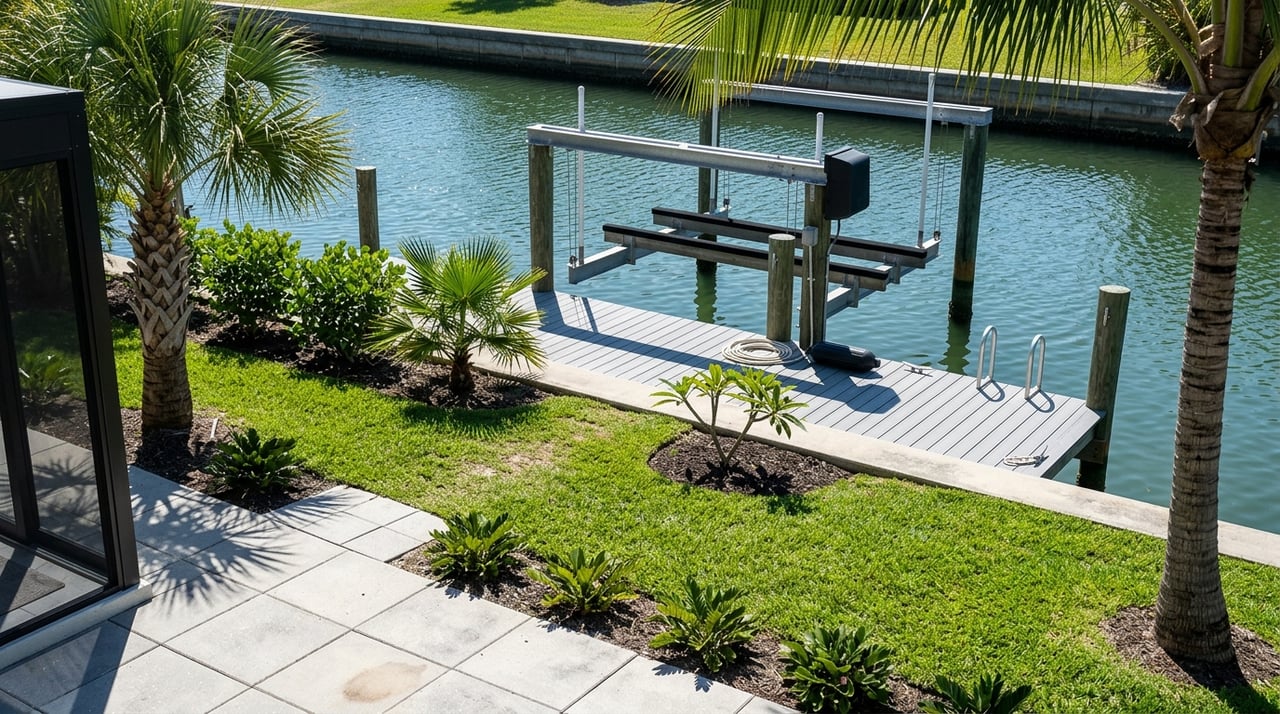
On a barrier island, lot value can be shaped by more than size alone. Usable yard area, orientation, privacy, drainage, elevation, and view potential can all affect how a buyer sees the property. Two homes with similar interiors may not attract the same level of interest if one has a more functional site or better outdoor feel.
This is another reason cookie-cutter pricing often falls short. A strong local analysis looks at how the property sits on the lot, how it compares to nearby options, and how buyers in this market tend to react to those differences.
Flood risk is a real part of pricing in Satellite Beach. The city states that most of the city is in coastal flood zones, often AE or VE. It also notes that VE and Coastal A zones may require open foundations or pile systems, breakaway walls, and other special construction details.
These factors matter because buyers are not only looking at purchase price. They are also thinking about insurance, construction standards, and long-term carrying costs. The city further notes that flood insurance pricing now uses Risk Rating 2.0 and can consider distance to water and first-floor height.
That means elevation certificates, lowest-floor information, and flood-zone details can affect buyer interest and your pricing position. A home with better documentation and a clearer risk profile may feel easier for a buyer to evaluate. In some cases, that can support stronger marketability.
For some coastal properties, due diligence goes beyond the home and lot. Florida’s Coastal Construction Control Line program regulates structures and activities that can contribute to beach erosion, destabilize dunes, damage upland properties, or interfere with public access. That matters because construction limits can influence what a future owner may or may not be able to do.
Buyers who are considering a coastal lot or a property close to the shoreline may factor those restrictions into their decision-making. For sellers, this does not automatically reduce value. It does mean pricing should reflect the real-world buyer pool and the amount of due diligence the property may require.
A well-built CMA usually starts with three groups of properties:
From there, agents make comparisons based on the details buyers care about most. In Satellite Beach, those details often include:
Adjustments should reflect market reaction, not a simple formula. In other words, the question is not just whether your home is different from a comp. The question is whether buyers in this market are likely to pay more, pay less, or see little difference.
That local judgment matters because Satellite Beach includes several price tiers. Recent solds range from attached homes and condos in the mid-$300,000s to single-family homes above $600,000 and waterfront sales near $2 million. One city can contain several very different markets.
Satellite Beach buyers appear to be price-sensitive enough to notice when a home overshoots the market. Realtor.com reports that homes sold for 98% of asking on average in March 2026 and had a median of 58 days on market. That suggests sellers often do better with an accurate first price than with a high test-the-market strategy.
When a home is priced too high, you risk losing early momentum. Buyers may pass it over, wait for reductions, or compare it unfavorably to better-positioned listings. In a smaller market, that missed window can be costly.
A well-priced home does not mean leaving money on the table. It means using real market evidence to create a price that feels credible, competitive, and well-supported. That is often what leads to stronger interest and better negotiating leverage.
If you plan to sell in the next 6 to 12 months, a little preparation can make your pricing strategy much stronger. Start by gathering the details your agent will need to tell your home’s story clearly.
Helpful items include:
These details help connect your home to the best comparable sales. They also make it easier to explain value to buyers who may be comparing not just finishes, but risk, upkeep, and future costs.
In Satellite Beach, pricing is rarely about square footage alone. It is really about access, risk, and condition, filtered through hyperlocal details like block, view, lot position, and flood profile. That is why two homes that look similar on paper can perform very differently in the market.
If you want a reliable price opinion, you need more than a portal estimate or a countywide average. You need a local analysis that understands how barrier-island buyers compare homes and what drives value on your specific property. That is where hands-on local expertise can make a real difference.
If you are thinking about selling your beachside home, Sandy Legere can help you build a pricing strategy grounded in Satellite Beach market data, local experience, and thoughtful presentation.
Stay up to date on the latest real estate trends.
My knowledge of the area can save you the time and frustration of looking at homes that do not meet your needs. My marketing experience in selling homes provides results.
Get In Touch With Me To Learn More
1550 Highway A1A Satellite Beach, FL 32937