Melbourne Beach Second Home Guide for Coastal Buyers
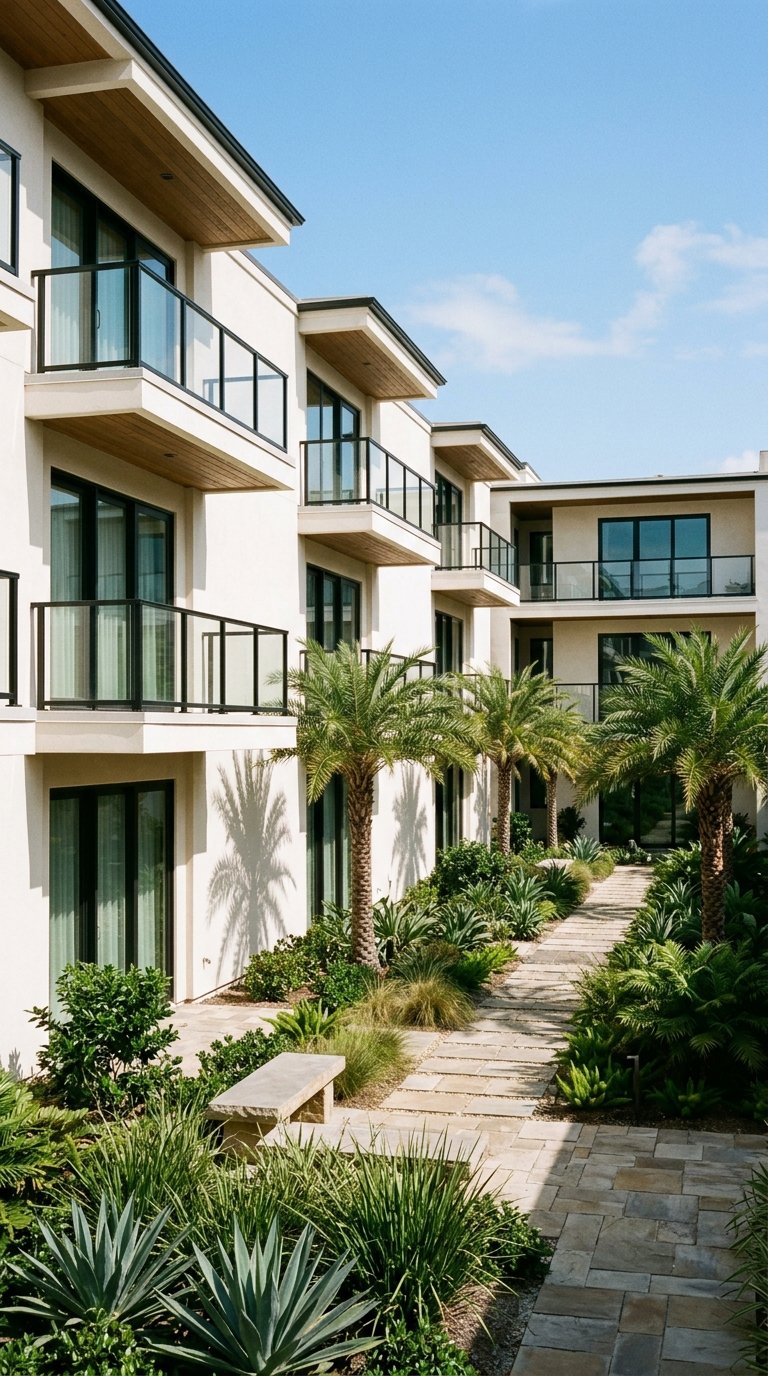
Dreaming about a place where your mornings start with ocean air and your afternoons end by the lagoon? Buying a second home retreat in Melbourne Beach can be an exciting step, but it also comes with decisions that matter long after closing day. If you want a coastal escape that fits your lifestyle, budget, and ownership goals, it helps to understand the local rules, costs, and tradeoffs before you buy. Let’s dive in.
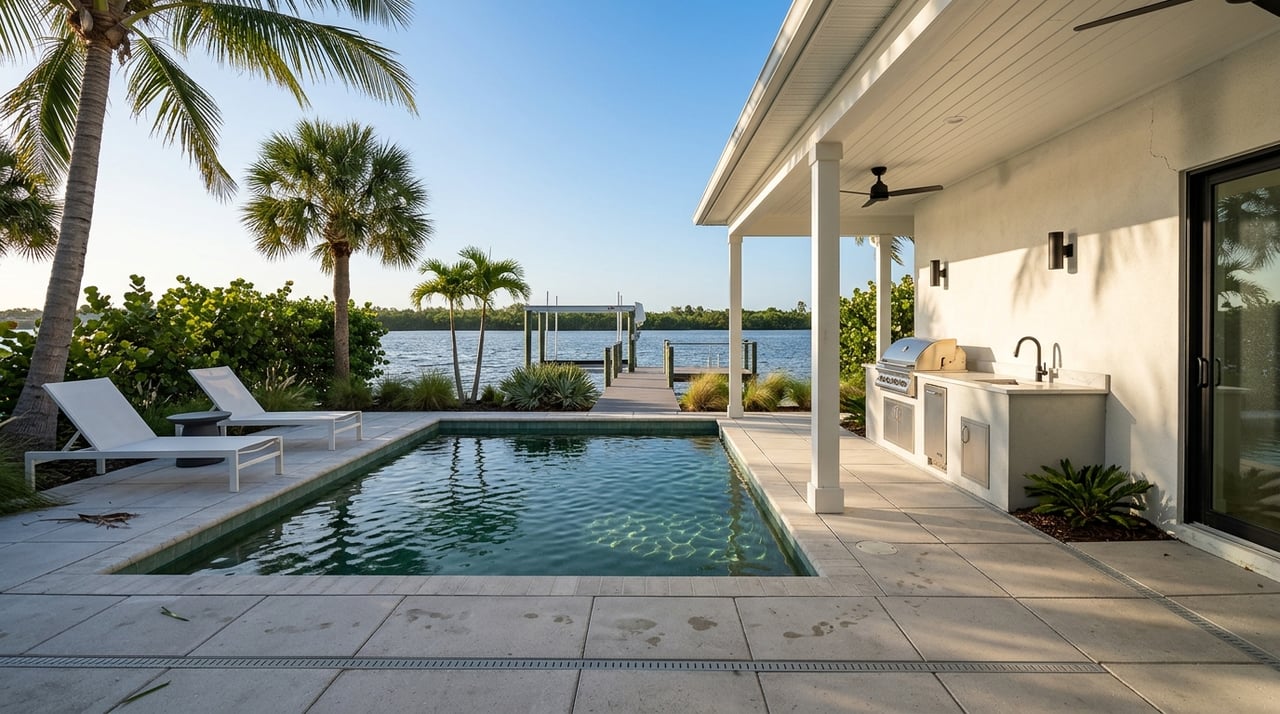
Melbourne Beach offers something many buyers want in a retreat property: access to both the Atlantic Ocean and the Indian River Lagoon. The town’s planning documents describe public access to both waterways as a defining part of local recreation, with beach and river access points spread across town. That dual-water setting is a big reason many second-home buyers look here first.
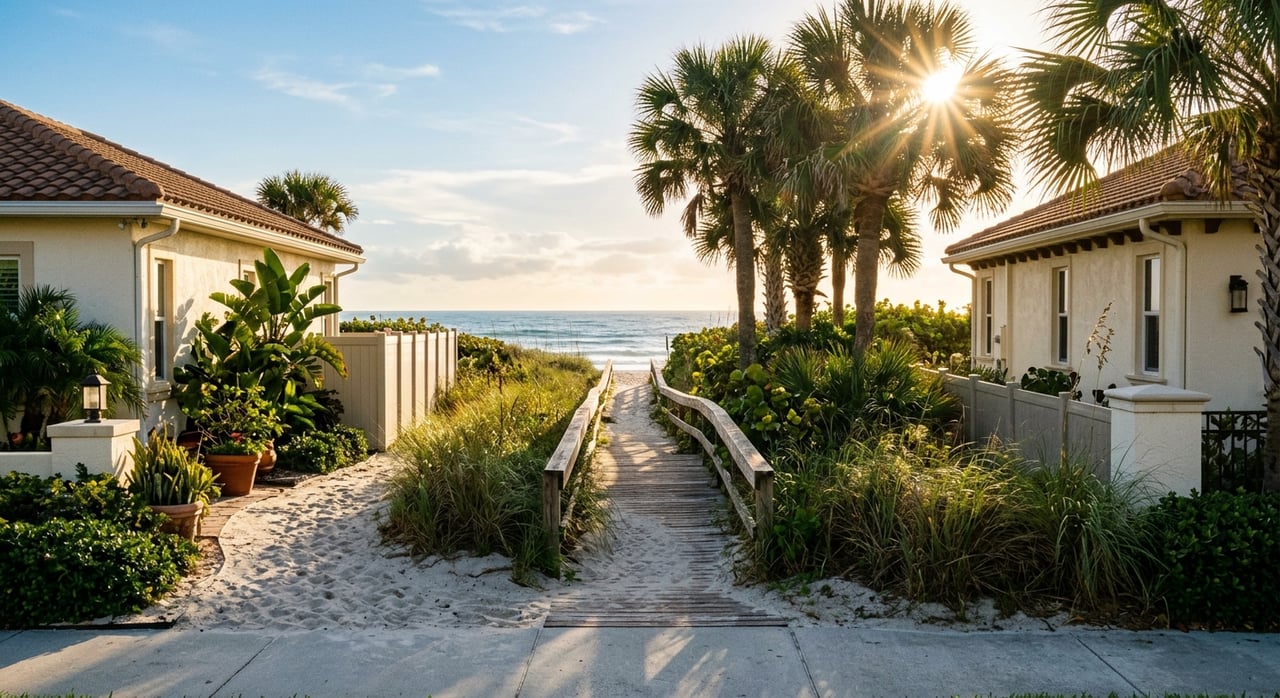
The town also has a 1.59-mile sandy shoreline, with many beach access points using dune crossovers and often offering limited parking. That detail may sound small, but it shapes how you use the area and how close you may want to be to your preferred access point. If walkability to the beach is high on your list, location becomes especially important.
Outdoor recreation is another draw. Public spaces in and around Melbourne Beach include Ocean Park, Spessard Holland North Beach Park, Spessard Holland South Beach Park, and Bonsteel Park. Planning documents also show bike path connections along A1A and Ocean Avenue, plus a paved route that links the area toward Sebastian Inlet State Park.
Before you focus on finishes and views, it helps to get clear about how you plan to use the home. A second home can be a private getaway, a seasonal residence, or a property you may want to use for occasional rental income. Your answer affects what type of home makes the most sense.
If you want a more lock-and-leave setup, a condo may feel easier to manage. If you want control over the exterior, landscaping, and future changes, a single-family home may be a better fit. The right choice often comes down to how hands-on you want to be when you are away.
Melbourne Beach includes both single-family zoning districts and multi-family zoning districts, so buyers typically have real options. In practical terms, that means you can compare a more managed, association-based property with a more independent detached home. Each path has benefits, but each also comes with different responsibilities.
A condo can be appealing if you want simpler day-to-day ownership. In many cases, an association handles shared exterior responsibilities, which can be helpful when the home is not occupied full time. That can make a condo attractive for buyers who live out of town for part of the year.
Still, condo due diligence matters more than ever in Florida. For many residential condo and cooperative buildings that are three or more habitable stories, Florida requires milestone inspections when the building reaches 30 years of age, and every 10 years after that, with some coastal or local circumstances allowing a 25-year trigger. Florida also requires structural integrity reserve studies for many buildings three stories or higher.
Those requirements mean you are not just buying the unit itself. You are also stepping into the financial and physical condition of the association. Before you commit to an older condo, ask for the current budget, reserve schedule, milestone inspection summary, structural integrity reserve study, and any special assessment history.
Florida law also now requires certain condo sale contracts to disclose whether those documents exist and whether they have been provided. That makes association review part of the offer process, not something to leave until the last minute. If a building is older, this review becomes even more important.
A single-family home usually gives you more control. You can often make decisions about exterior upkeep, landscaping, and modifications without depending on a condo association structure. For some buyers, that flexibility is a major plus.
The tradeoff is responsibility. If this is your second home, you will likely need a plan for storm prep, routine maintenance, repairs, and periodic property checks when you are away. A detached home may offer more privacy and freedom, but it usually requires a more hands-on ownership plan.
If you hope to offset costs with occasional rental income, check zoning and town rules before you fall in love with a property. Melbourne Beach’s vacation-rental guidance says short-term rentals are generally stays under 30 days or one month, whichever is less, occurring more than three times in a calendar year or advertised as a similar guest rental. The town also notes that zones 4-RM and 5-RMO do not allow rentals of less than 30 days.
That means a property that seems ideal for personal use may not match your rental goals. It is also important to review any association rules if you are considering a condo. Rental restrictions can shape the property’s long-term usefulness for your plans.
If the home will be rented, the town’s vacation-rental guide adds operational requirements. A responsible party must be available 24/7, vehicles must park in the driveway, occupancy is capped, and the owner or responsible party must be able to respond quickly to life-safety, noise, or parking issues. For out-of-area owners, local management support can become essential.
The purchase price is only part of the story with a second home. In Melbourne Beach, your ongoing costs can vary widely depending on the property type, flood exposure, insurance needs, and whether an association is involved. Building a realistic budget early can help you avoid surprises.
In Brevard County, property taxes are due November 1. The county tax collector notes that early-payment discounts are available in November, December, January, and February, and taxes become delinquent on April 1.
For second-home buyers, the bigger issue is that you should not assume the seller’s tax bill will carry over. Florida’s homestead exemption applies to a property that is the owner’s permanent residence, and the exemption can reduce taxable value by as much as $50,000 for a qualifying homestead. After a change of ownership, property is generally assessed at just value as of January 1 of the following year.
If you are buying a property that was someone else’s primary residence, the future tax bill may be noticeably different from the current one. That is why tax planning should be part of your pre-offer math, not an afterthought.
Insurance is a major part of owning a coastal retreat. FEMA states that standard homeowners policies generally do not cover flood damage, and flood insurance is typically purchased separately. Lenders also often require flood insurance in high-risk areas.
For Melbourne Beach buyers, that makes flood-zone review and insurance quotes important early in the process. Waiting until closing week can create stress, especially if premiums affect your monthly carrying costs more than expected. A property’s location, elevation, and flood exposure can all influence the full ownership picture.
Beyond taxes and insurance, you may also need to budget for:
In a beach environment, exterior wear and drainage conditions deserve extra attention over time. Melbourne Beach’s stormwater program notes that runoff can carry nutrients into the Indian River Lagoon, and the town uses swales and other drainage measures to reduce pollution and flooding in streets and intersections. For you as an owner, drainage and site condition are not side issues. They are part of protecting the property.
In Melbourne Beach, storm readiness should be part of your buying criteria from day one. Coastal ownership is rewarding, but it also means you need to look carefully at how a property handles water, wind, and periods of vacancy. A beautiful home can still become a difficult second home if drainage and storm planning are weak.
As you evaluate properties, pay attention to elevation, signs of exterior wear, site drainage, and how runoff appears to move around the lot or building. Ask practical questions about how the home is prepared when no one is there. These details matter just as much as layout and finishes when the property is meant to be a retreat.
A second home works best when you have a solid management plan. Melbourne Beach offers some helpful local support, including a full-service police department with 24/7 coverage and a Vacant / Vacation House Check Request. The town also lists 24/7 emergency police and fire response contacts.
That support is useful, but it does not replace owner planning. You still need a clear system for check-ins, repairs, storm preparation, and routine oversight when you are away. If the property sits empty for stretches of time, reliable local vendors become part of the ownership strategy.
Code compliance also matters. Melbourne Beach states that it uses an administrative process with fines and other noncriminal penalties for code violations, and the town’s vacation-rental page includes a complaint portal and 24/7 hotline. Whether the home is purely personal use or also rented, staying in compliance is part of protecting your investment.
A smart second-home purchase usually starts with a short list of practical questions. In Melbourne Beach, these can help you focus your search and avoid costly missteps.
Ask questions like these:
The answers can shape not only what you buy, but also how much peace of mind you have after you own it.
Buying a second home retreat in Melbourne Beach can be a wonderful move if you approach it with clear goals and careful local due diligence. The right property should support the lifestyle you want while also fitting the reality of taxes, insurance, maintenance, zoning, and remote ownership. If you want local guidance as you compare condos, waterfront homes, or beachside retreats in Brevard County, connect with Sandy Legere for knowledgeable, hands-on support.
Stay up to date on the latest real estate trends.

300,000 Sq. Ft. Engineering Facilty
My knowledge of the area can save you the time and frustration of looking at homes that do not meet your needs. My marketing experience in selling homes provides results.
Get In Touch With Me To Learn More
1550 Highway A1A Satellite Beach, FL 32937