How to Sell a Merritt Island Waterfront Home Well
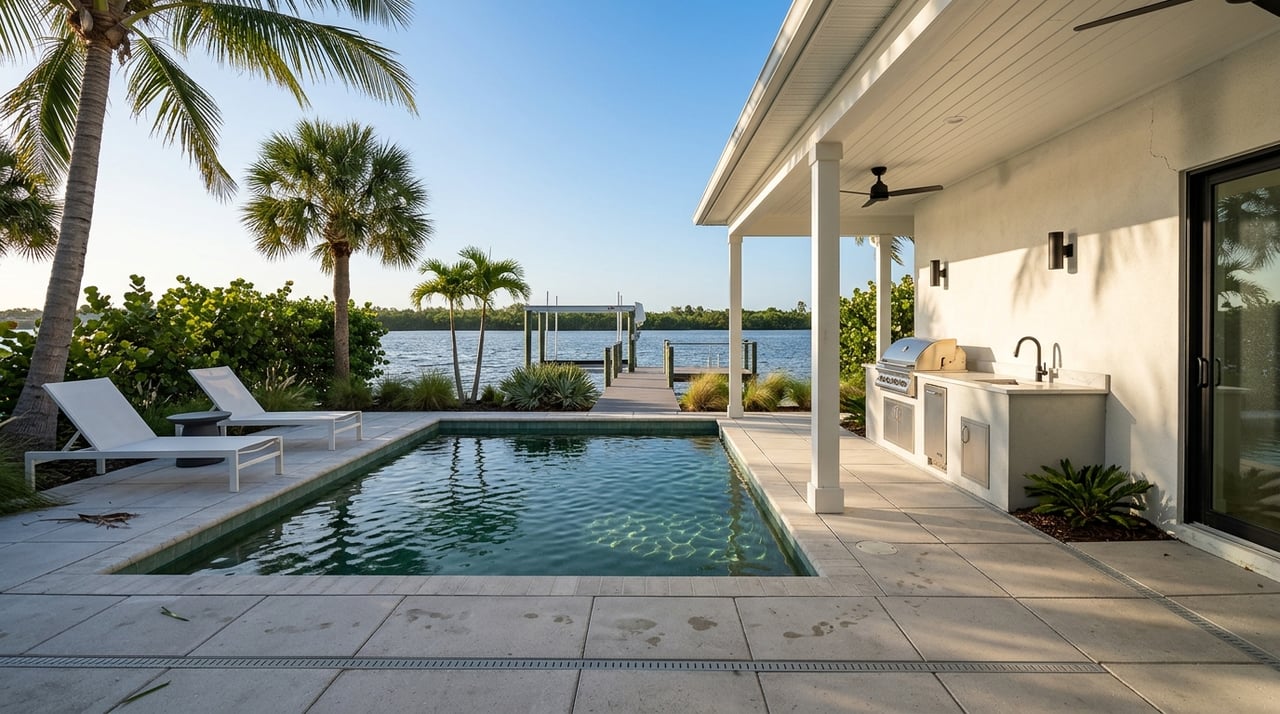
What makes one Merritt Island waterfront listing stand out while another blends into the scroll? In a market shaped by lagoons, preserves, docks, and view corridors, buyers need more than a few pretty photos to understand what a property truly offers. If you want to sell for strong value and attract the right buyer, your marketing has to be accurate, polished, and built around how waterfront buyers actually shop. Let’s dive in.
Merritt Island is not a one-note waterfront market. Properties may sit along canals, rivers, lagoon-front settings, or preserve-facing water, and each one creates a different buyer experience.
That is why effective marketing starts with the exact water story. Your listing should clearly identify the water body, the view corridor, and the type of access the property has. Scenic frontage, kayak access, and true boating access are not the same thing, and buyers notice the difference.
In Merritt Island, that distinction matters even more because the surrounding environment includes the Banana River Aquatic Preserve and the Merritt Island National Wildlife Refuge area. Buyers may be drawn to fishing, birding, wildlife viewing, and paddling, but the marketing needs to match the property’s real-world use.
Some local waters have restrictions that affect how a buyer can use them. The refuge notes that certain Banana River areas are manatee sanctuary zones limited to non-motorized boats, while other areas operate under slow-speed rules.
That means your marketing should never assume all waterfront equals boating convenience. If your home has a dock, lift, canal access, or route to larger waterways, those features should be described carefully and truthfully.
This is one of the biggest mistakes in waterfront marketing. A home may have beautiful water views without offering the kind of navigation a boating buyer wants.
Strong marketing explains whether the property offers visual appeal, paddle access, or functional vessel access. That clarity helps attract better-matched buyers and reduces confusion later in the process.
Sellers consistently want help with three things: marketing the home to potential buyers, pricing it competitively, and selling within a specific timeframe. For a Merritt Island waterfront home, that usually calls for more than a basic list-and-wait approach.
A thoughtful launch can shape how buyers respond from day one. When your pricing, visuals, timing, and property details work together, your home has a better chance to make a strong first impression online and in person.
Most buyers begin online, and many find the home they purchase on the internet through online search. Research also shows that photos are the most useful website feature for buyers, followed by detailed property information, floor plans, and virtual tours.
That matters for waterfront homes because your online presentation has to communicate the setting quickly. Buyers want to understand the home, the layout, the outdoor living areas, and the relationship to the water before they decide to schedule a showing.
Staging helps buyers picture a property as their future home. In waterfront marketing, that principle should extend beyond the living room and kitchen to the spaces that support the outdoor lifestyle.
Patios, lanais, pool decks, dock seating areas, and outdoor kitchens should be treated like true living spaces. When those areas are clean, uncluttered, and arranged with intention, the water view becomes the focal point instead of competing with distractions.
You do not need to overproduce a waterfront home to make it appealing. Simple presentation often works best because it helps buyers imagine how they would actually use the space.
That usually means:
Research shows buyers respond strongly to staged photos, physical staging, videos, and virtual tours. The rooms staged most often are the living room, primary bedroom, and kitchen.
For Merritt Island waterfront homes, those interior spaces still matter, but the exterior deserves equal attention. If the lifestyle selling point is the lanai, pool, sunset view, or dock, your marketing should showcase those features with the same care as the inside of the home.
Waterfront buyers want context, not just close-ups. They need to see how the house sits on the lot, how the outdoor spaces connect, and where the water access fits into the full property story.
That is why a complete media package is so important. Still photography, video, floor plans, and virtual walkthroughs each help buyers understand a different part of the home.
Photos remain the most useful feature for buyers searching online. For waterfront listings, the image order matters almost as much as the images themselves.
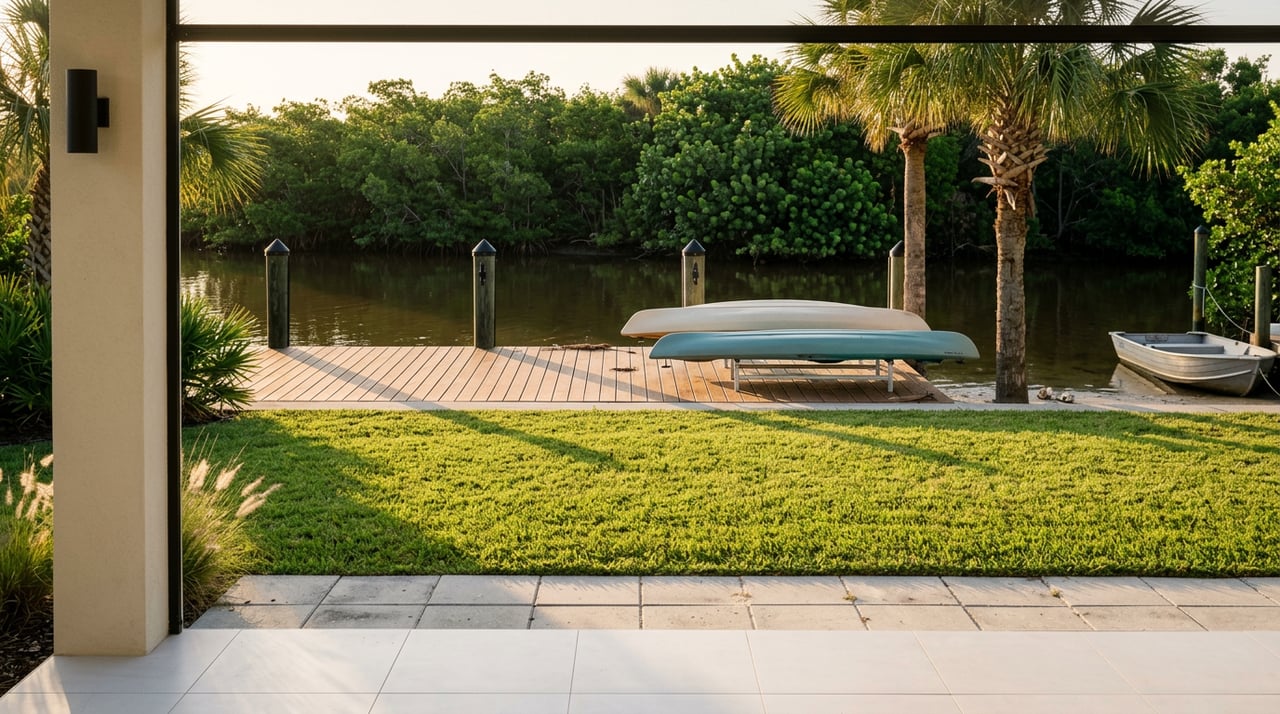
Your lead photos should quickly answer key questions: What does the home look like from the water side? How strong is the view? Is there a pool, dock, seawall, or outdoor entertaining space? The goal is not just beauty. It is clarity.
Aerial coverage is especially effective for waterfront properties because it can show the relationship between the home, dock, pool, patio, shoreline, and surrounding water in one frame. That view helps buyers understand the setting in a way ground-level photography cannot.
Commercial drone work should also be handled properly. The FAA treats aerial listing photography as a Part 107 activity, so the pilot should be properly certificated and able to handle any registration or airspace requirements.
Virtual media is not just for out-of-town buyers. Research shows some buyers purchase based only on a virtual tour, showing, or open house without physically visiting first.
Even when buyers live nearby, virtual tours and walkthrough media help them decide whether a property fits their needs. For waterfront homes, that extra engagement can be especially useful because the lifestyle details often take more explanation than a standard resale home.
A great listing can lose momentum if the rollout is poorly timed. In today’s market, syndication quality matters because MLS data powers many of the websites and apps buyers use every day.
That means your launch should not stop at uploading photos and remarks. The listing needs a coordinated plan for when it goes live, where it appears, and how the presentation carries across channels.
Space Coast MLS rules effective September 30, 2025 create an important timing issue for sellers. Coming Soon listings are no longer displayed via IDX or Realtor.com, and they are not made available on brokerage websites or national and international real estate platforms.
The same rules also state that if a property is publicly marketed at any time, it must be entered into the MLS within one business day. For sellers, that makes it important to define what stays private, what becomes public, and exactly when the official launch begins.
The first wave of attention matters, but post-launch adjustments matter too. Small updates like refreshing the lead photo, reordering images, or highlighting a dock or outdoor entertaining area can help bring new attention to the listing.
Targeted social posts, email alerts, virtual tours, and video can all support that effort. For a waterfront property, sometimes a simple shift in emphasis can help buyers better understand the strongest feature.
Waterfront marketing needs to be compelling, but it also needs to be documented. Before listing remarks describe a dock, seawall, pier, piles, or boatlift as a feature, those items should be verified against available records.
That extra work protects both the seller and the marketing message. It also helps avoid problems after a buyer starts due diligence.
Brevard County’s marine-construction permit requirements call for a current survey showing the location and dimensions of seawalls, docks, piers, piles, and boatlifts, along with the width of the waterway or canal. That makes pre-listing verification a smart step before those features are highlighted in the marketing.
If a waterfront improvement is a major value driver, accuracy matters. Buyers will often ask detailed questions, and strong listing preparation helps you answer with confidence.
Flood-zone status should also be reviewed before the home goes public. FEMA identifies Special Flood Hazard Areas through Flood Insurance Rate Maps, and its Flood Map Service Center is the official source for flood-hazard information.
For waterfront sellers, this should be part of the pre-listing fact check. Clear information early in the process can help buyers understand the property more fully and reduce surprises later.
The strongest Merritt Island waterfront marketing does two things at once. It captures the lifestyle appeal of living near the water, and it backs that story up with facts buyers can trust.
That means showing the views clearly, staging the outdoor spaces thoughtfully, using professional visual media, planning the MLS launch carefully, and verifying the waterfront details before the listing goes public. When all of that comes together, your home is better positioned to attract serious buyers and make a stronger impression.
If you are getting ready to sell a Merritt Island waterfront home, working with a local agent who understands both the lifestyle and the details can make a real difference. To plan your next steps, connect with Sandy Legere.
Stay up to date on the latest real estate trends.

300,000 Sq. Ft. Engineering Facilty


My knowledge of the area can save you the time and frustration of looking at homes that do not meet your needs. My marketing experience in selling homes provides results.
Get In Touch With Me To Learn More

1550 Highway A1A Satellite Beach, FL 32937