Merritt Island Canal Riverfront Homes Guide
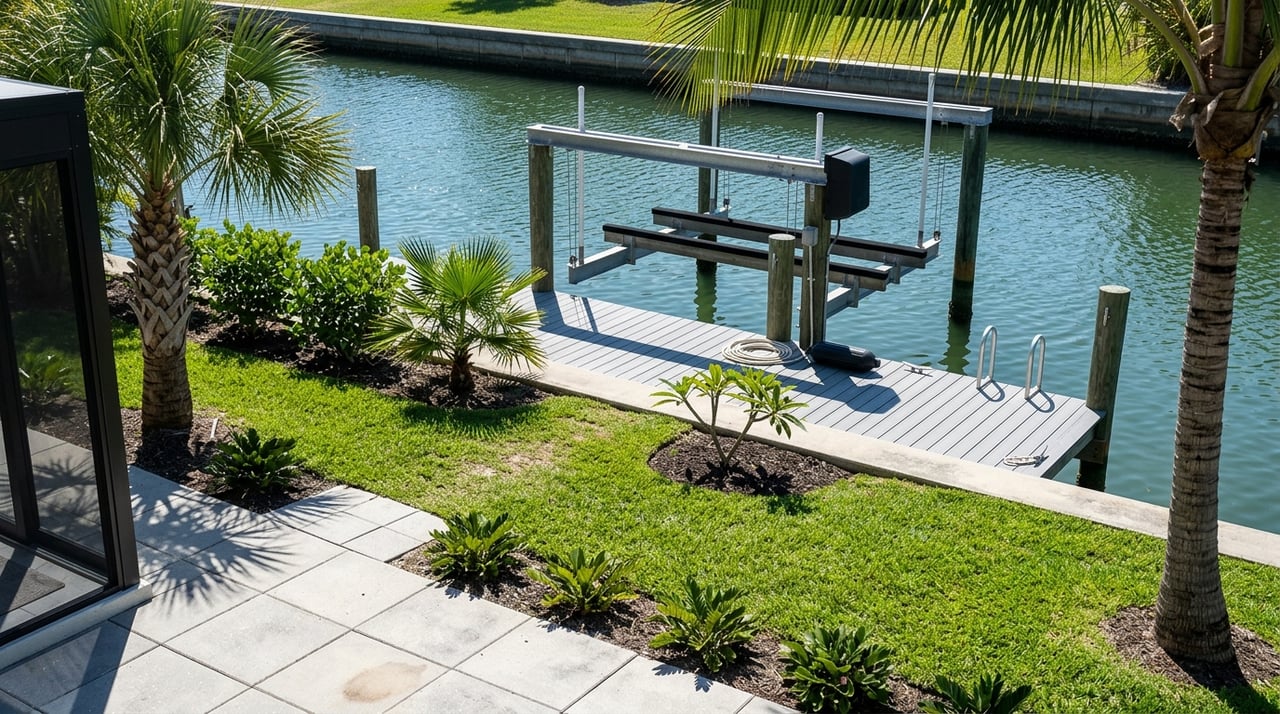
Dreaming about keeping your boat close to home and stepping out to the water instead of loading up for a long drive? Canal and riverfront living on Merritt Island can make that feel wonderfully normal. If you are trying to decide what kind of waterfront setup fits your lifestyle, this guide will help you understand the differences, what to look for, and what to research before you buy. Let’s dive in.
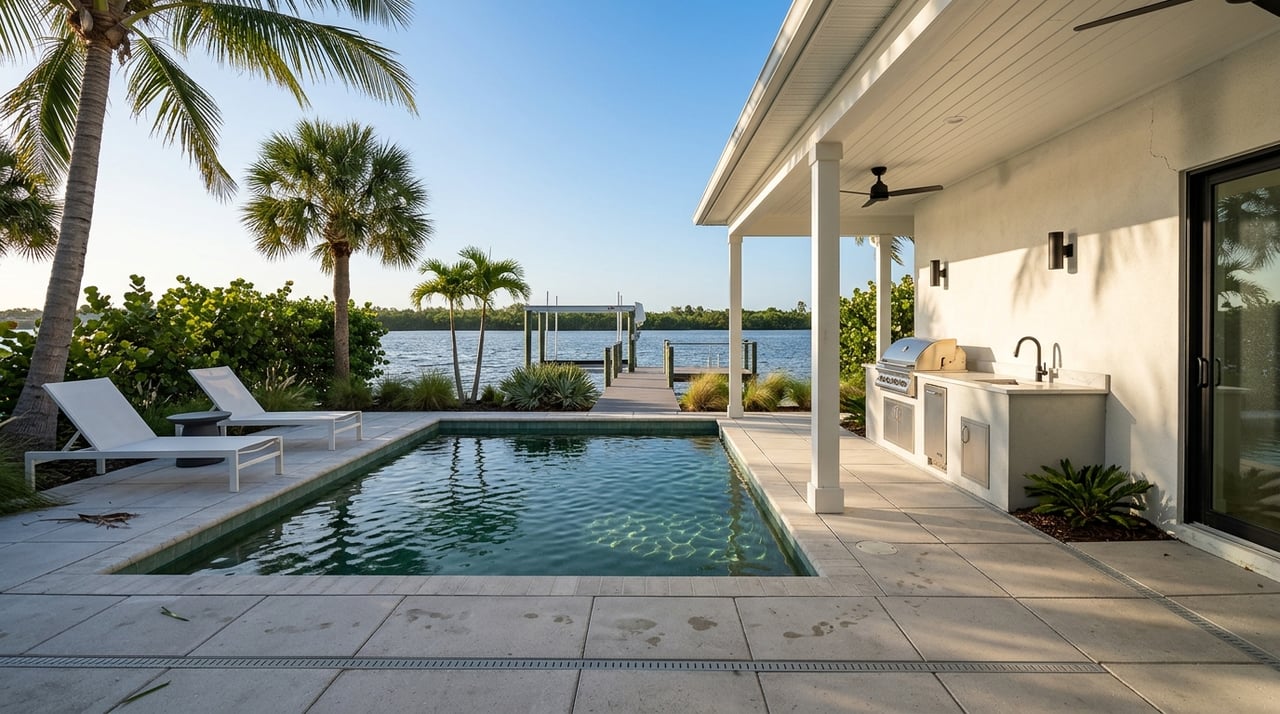
Merritt Island’s waterfront lifestyle is closely tied to boating, fishing, paddling, and easy access to the lagoon system. Brevard County’s East Merritt Island small-area study notes that people are drawn to the area’s waterfront setting and the boating and fishing that come with it.
You can also see that lifestyle reflected in local parks and public access points. Places like Kiwanis Island Park, Intracoastal Waterway Park, and Veterans Memorial Park feature ramps, fishing piers, boardwalks, and scenic river access that support daily life on the water.
For many buyers, that is the real appeal of canal and riverfront living on Merritt Island. It is not just about the view from the backyard. It is about how easily the water becomes part of your routine.
Interior canal homes often appeal to buyers who want a dock-focused setup and a more protected feel. Because canals connect neighborhoods to larger waterways, they often trade the big open panorama for a calmer and more private waterfront setting.
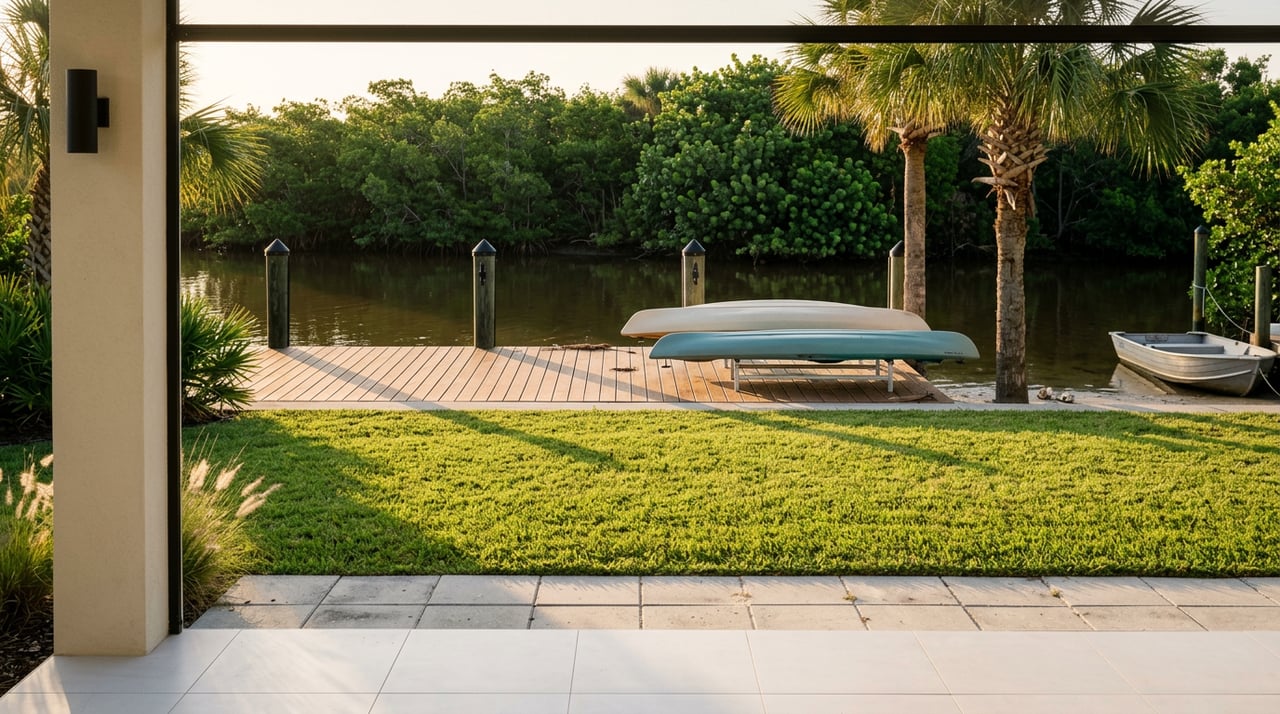
That can be a great fit if you picture keeping your boat close, managing day-to-day dock access more easily, and enjoying a quieter waterside backdrop. For some buyers, the canal itself becomes an extension of the backyard.
Open-river frontage on Merritt Island usually offers a wider visual experience. The Indian River is a broad lagoon, so riverfront homes often feel breezier and more open, with bigger views and more dramatic sunset potential.
That openness can be a major selling point, but it also comes with more exposure to wind and wake. If you love the idea of expansive water views, it is worth balancing that beauty with the practical side of the setting.
Merritt Island’s canal and riverfront inventory is best understood as a detached residential market rather than a high-density condo landscape. County materials describing North Merritt Island reference single-family homes on large lots, and East Merritt Island development history points to early waterfront growth along Banana River frontage.
For you as a buyer, that usually means a mix of older homes, renovated properties, and occasional custom rebuilds. On the same street, you may see a longtime waterfront home with original character next to a more extensively updated residence.
That variety can be a benefit. It gives you options at different price points and property conditions, but it also means each home should be evaluated carefully on its own merits.
On Merritt Island, the home and the marine improvements should be treated as one package. Brevard County separates residential permits for one- and two-family dwellings from residential marine construction permits, which reflects how common docks, seawalls, and boat lifts are in the local waterfront market.
In practical terms, a pretty house alone is not enough if the dock setup does not fit your boating needs. You want to understand how the lot, seawall, lift, dock layout, and route to open water all work together.
This is especially important if boating is one of the main reasons you are shopping for waterfront property. The value of the home may be tied just as much to function at the waterline as to finishes inside the house.
One of the biggest mistakes waterfront buyers can make is focusing only on whether a home has a dock. The better question is whether your boat can get from that dock to open water comfortably and consistently.
Brevard County and FDOT planning material describe the Canaveral Barge Canal as about 12 feet deep. That makes it a key route in northern Merritt Island waterfront living, but depth alone is not the whole story.
You also need to think about your boat’s draft and air draft. A vessel with a tower, mast, or upper helm may face very different route limits than a lower-profile boat.
Several local bridges can affect how easy it is to get where you want to go by water. These details may sound technical at first, but they are very practical when you are comparing properties.
Here are a few examples from local navigation references:
If you are buying for boating access, these numbers matter because they affect whether your route works for your vessel. A home can look perfect on paper but still be the wrong fit if bridge timing or clearance creates everyday frustration.
For dock configurations and shoreline improvements, Brevard County points buyers toward the kinds of documents that matter most. Residential marine permit applications require a current survey and a plot plan that shows existing and proposed marine improvements, waterway width, and maximum projection into the waterway.
That makes the survey, plot plan, permit history, and any seawall or dock affidavits especially useful during due diligence. These records can help you understand what is already there and whether past work appears to have been properly documented.
Waterfront ownership often includes recurring maintenance conversations that inland buyers may not think about right away. Dock decking, pilings, lift hardware, seawall age, and previous shoreline work are all worth reviewing closely.
Brevard County’s marine permitting process is a helpful reminder that these are not unusual one-time issues. They are a normal part of owning canal or riverfront property on Merritt Island.
If the home is in a deed-restricted community, take time to read the recorded rules before you make an offer. On waterfront property, restrictions may affect dock use, lift type, trailer or boat storage, exterior materials, parking, rental limits, and whether future changes need architectural approval.
These details can shape how you actually use the property after closing. A home that seems ideal at first glance may feel less flexible once you understand the rules.
If your route to open water crosses refuge waters, posted boating rules can affect day-to-day convenience. The Merritt Island National Wildlife Refuge boating and fishing brochure allows night fishing from boats in Haulover Canal, Mosquito Lagoon, Indian River Lagoon, and Banana River.
At the same time, it also identifies no-motor zones, slow-speed and minimum-wake areas, and launch restrictions. If quick and easy boat access is part of your plan, those details are worth understanding early.
The right waterfront home is not always the one with the biggest view or the newest finishes. It is the one that fits how you want to live.
If you want a more protected dock setup and a quieter water setting, a canal home may feel right. If your priority is broad water views and a more open river backdrop, riverfront living may be a better match.
It also helps to think through your routine in simple terms:
When you answer those questions clearly, your home search usually becomes much more focused.
Merritt Island waterfront homes can look similar online while offering very different real-world boating experiences. A property on a sheltered canal, a lot on open river frontage, and a home with a complex route to open water may all tell different stories once you look past the photos.
That is why local context matters. When you understand how home style, dock setup, bridge access, and waterway rules come together, you can make a more confident decision and avoid surprises after closing.
If you are exploring canal and riverfront living on Merritt Island, working with a local waterfront specialist can help you compare properties with both the lifestyle and the practical details in mind. When you are ready to talk through your options, connect with Sandy Legere for knowledgeable, personal guidance on Brevard County waterfront homes.
Stay up to date on the latest real estate trends.

300,000 Sq. Ft. Engineering Facilty
My knowledge of the area can save you the time and frustration of looking at homes that do not meet your needs. My marketing experience in selling homes provides results.
Get In Touch With Me To Learn More
1550 Highway A1A Satellite Beach, FL 32937